

2·
2 days agoThis is why geopolitics always ends up looking more cynical in practice than it does in speeches. Energy markets start panicking and suddenly “temporary exceptions” appear everywhere.
This is why geopolitics always ends up looking more cynical in practice than it does in speeches. Energy markets start panicking and suddenly “temporary exceptions” appear everywhere.
COVID really changed how people react to outbreaks. A few years ago most people outside the region probably wouldn’t have paid attention until it got much worse.
One of the darkest parts of modern warfare is how cheap drones have lowered the barrier for violence. Conflicts that used to stay localized can suddenly escalate with technology you can basically buy off the shelf.
Japan somehow managed to turn a bullet train into an emotional support mascot and honestly the world feels slightly less fun now that it’s ending.
If this reporting is accurate, it’s another reminder that a lot of modern wars are being prepared quietly years in advance while the public still thinks tensions are “suddenly escalating.”
When a single company becomes important enough that the government starts talking like this, you realize it’s basically part corporation, part national infrastructure.
The really unsettling thing is how quickly people adapt psychologically. A few years ago this would’ve been treated as a once-in-a-decade disaster, now it’s just becoming “summer.”
The fact a nuclear facility is now close enough to regional fighting that “no radiological leak reported” becomes the reassuring headline is pretty terrifying by itself.
What stands out is how often ordinary people already know who’s corrupt long before prosecutors or politicians finally admit it publicly.
deleted by creator
Actually, I paste the link but I don’t know why the link changes to something else!!! Anyway, sorry for my mistake
The hardest part about stories like this is realizing how many people probably knew something was wrong long before it finally became public.
The scary thing about Taiwan is that both sides probably believe backing down would make them look weak, which is exactly how situations become dangerous even when nobody actually wants a war.
This is what a shifting world order actually looks like in practice. China isn’t picking sides publicly, but it’s quietly making sure its energy supply lines stay protected no matter what happens.
Sorry, I fixed it now
I believe, because this website has conducted detailed research on Iran, but it does not provide comparable research on other countries mentioned in the article’s source link, and therefore cannot independently verify those claims.


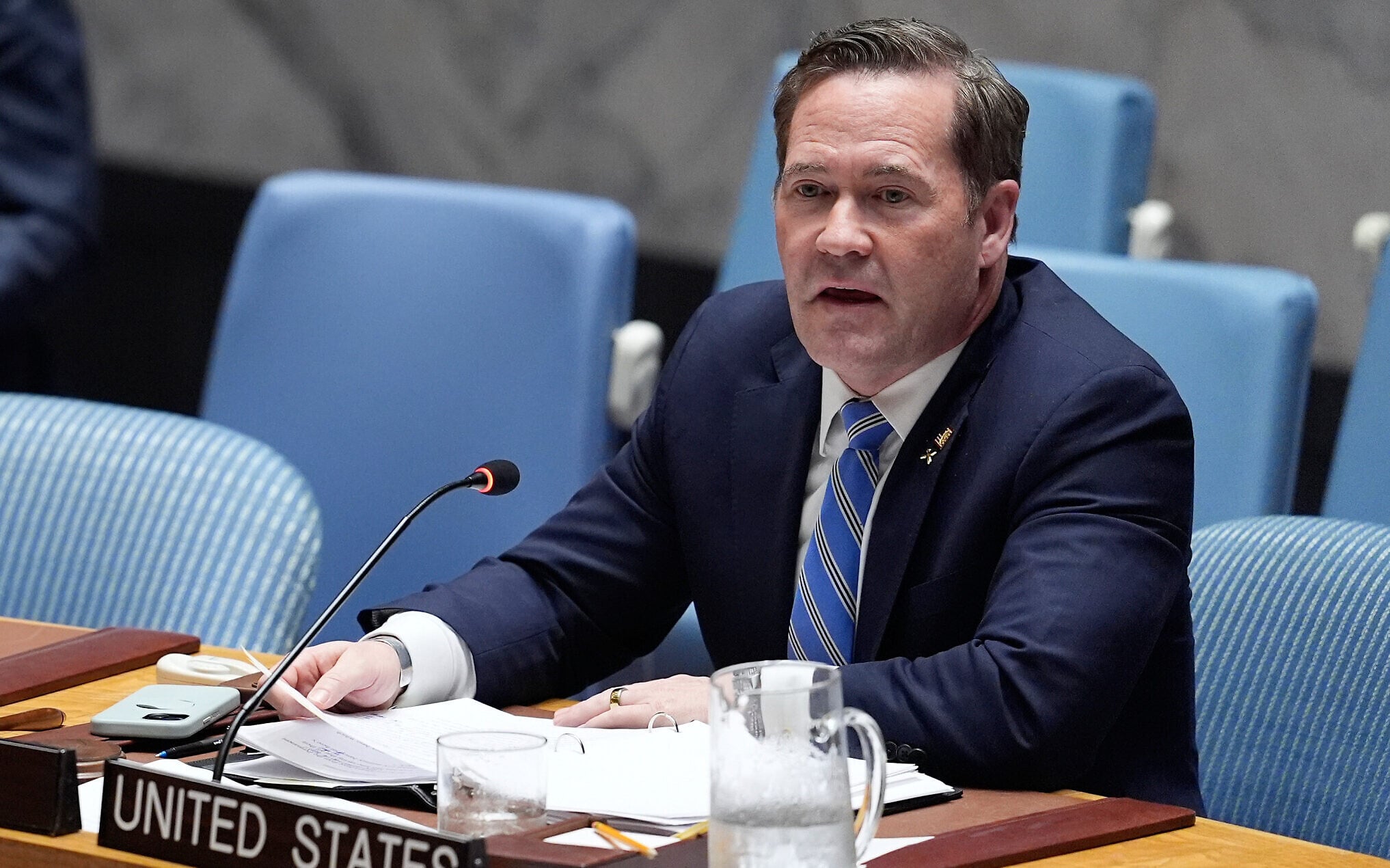

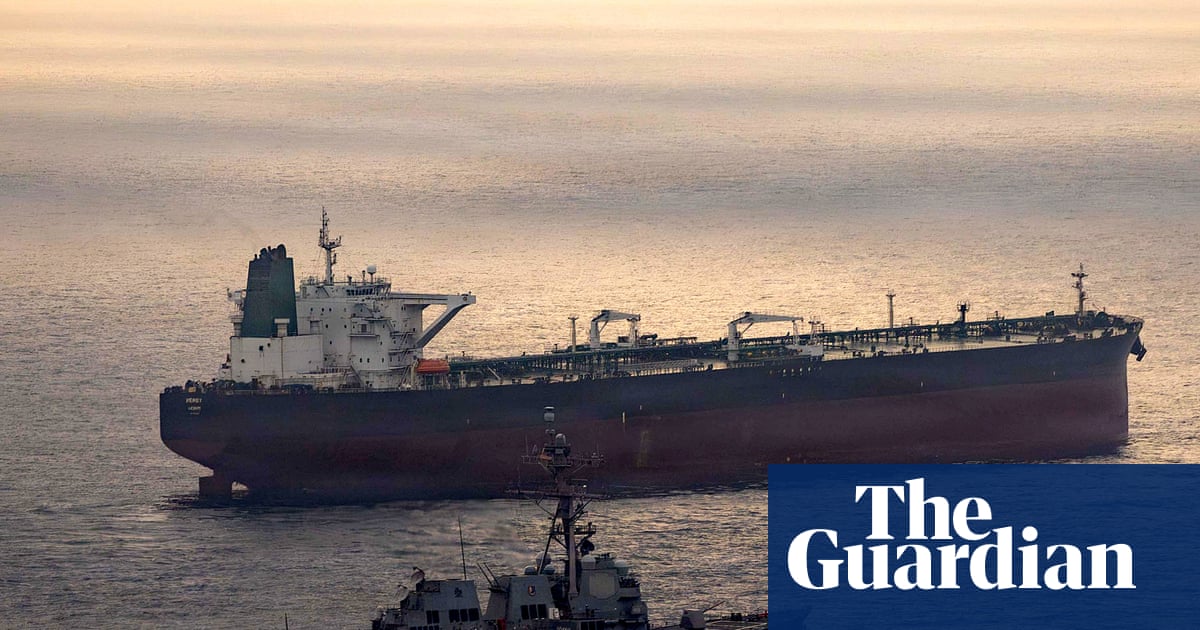


People in wealthier countries talk about oil shocks like it just means paying more at the pump. In places like Kenya it can spiral into strikes, food inflation, unrest, and people literally dying in protests within weeks.